






Reframing Global Disruption: Farmina Hossain on Resilience, Agency and Human Centered Leadership
Global uncertainty is usually discussed in the language of power, alliances and strategic competition. In emerging economies, it is felt far closer to home, in prices, jobs, livelihoods and opportunity.
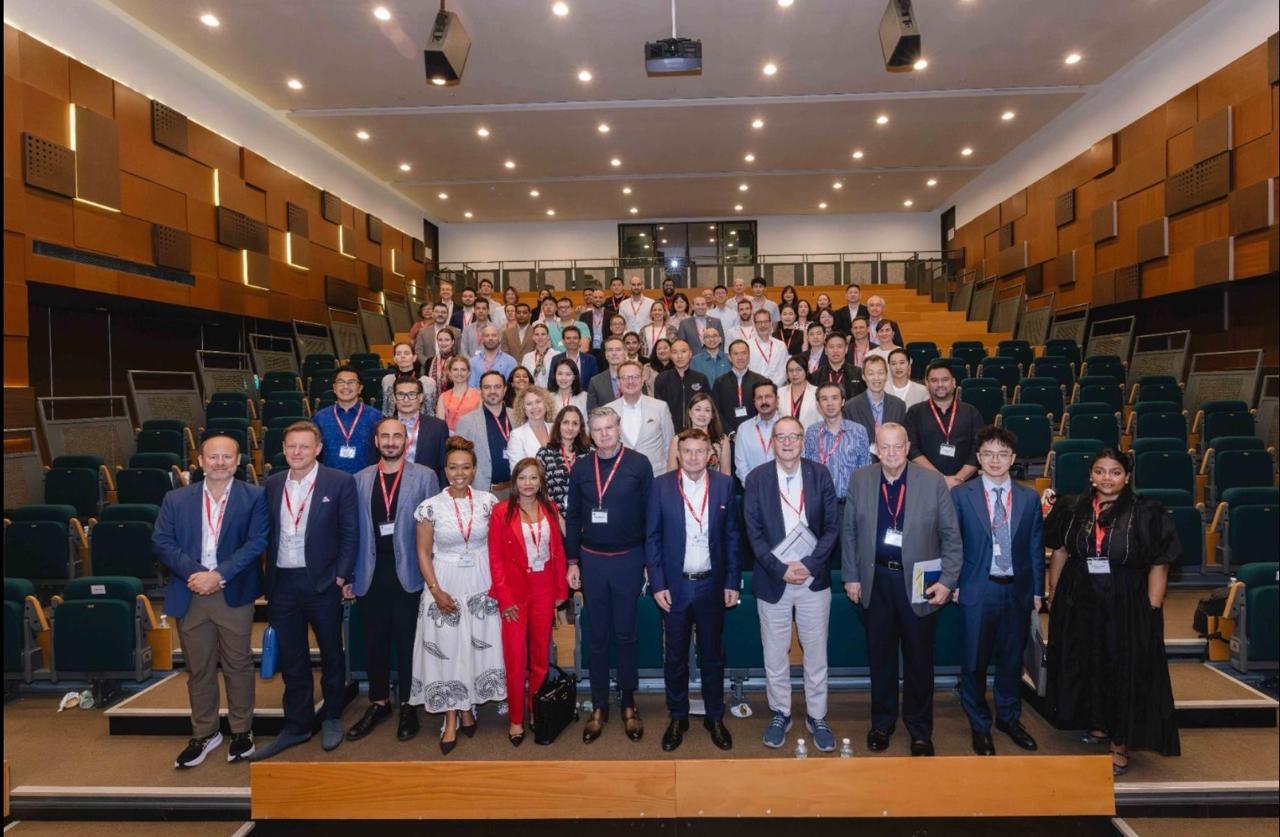
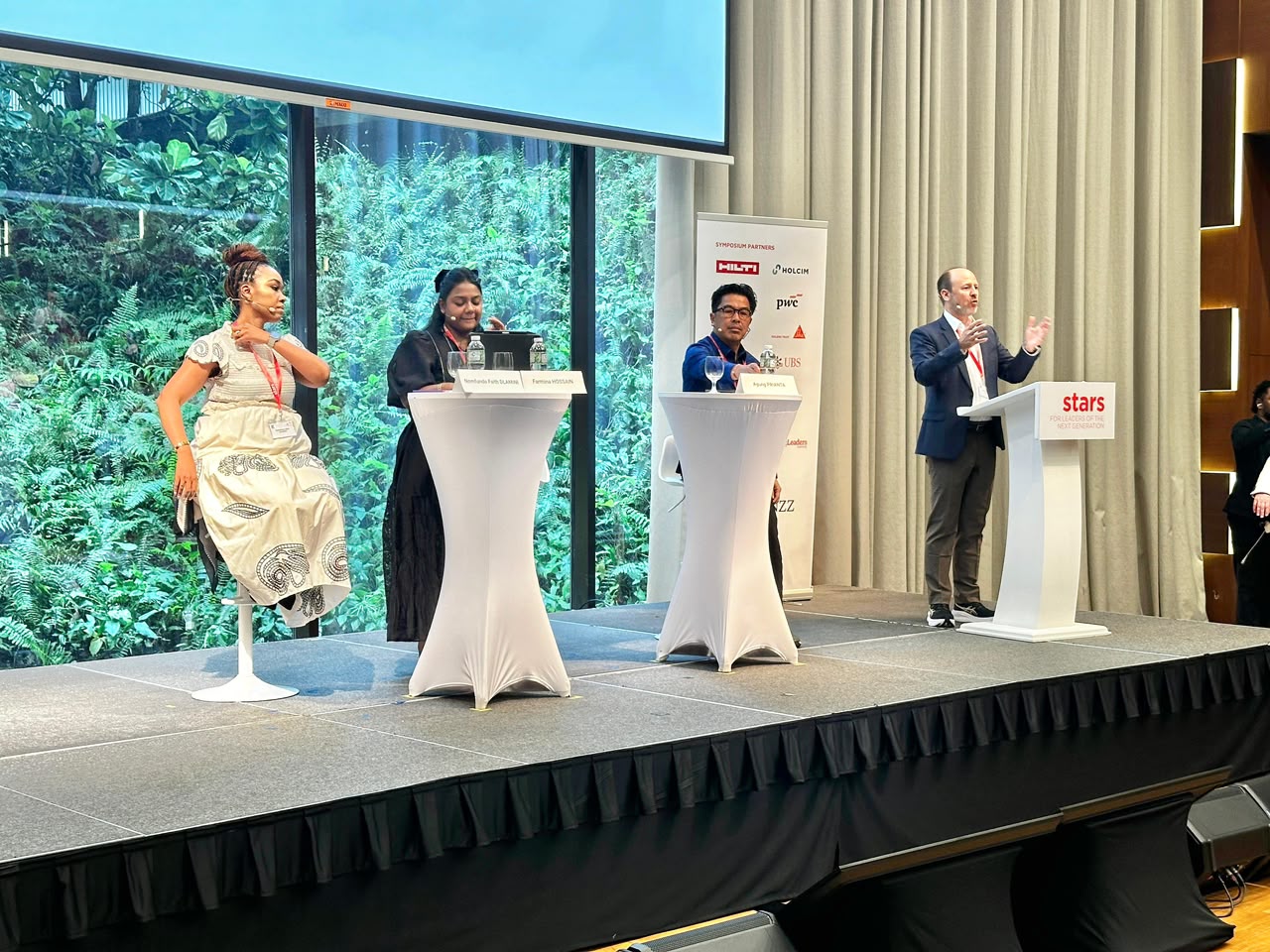
At the stars Singapore Symposium 2026, Farmina Hossain, Director, Operations at BURO Bangladesh, contributed to both the plenary discussion and the subsequent deep dive session on “Anticipating Emerging Powers Futures.”She brought Bangladesh’s development experience into a wider conversation about how emerging economies hold on to agency in a fragmented global order.
She speaks from an unusually direct vantage point. BURO Bangladesh, established in 1990, is the country’s third-largest NGO microfinance institution after Grameen Bank and BRAC, serving more than 3.2 million active customers, the majority of them women, through over 1,600 branch offices and a workforce of more than 12,000. What global markets register as volatility, an institution of that reach registers as household behavior, weeks before it appears in any dataset.
%20(1).png)
In the plenary, she kept people at the center of the geopolitical discussion, arguing for strategic flexibility, diversified partnerships, financial inclusion and resilience. Conflicts, trade tensions and energy shocks may begin far from Bangladesh, but they arrive as higher input costs for entrepreneurs, employment anxiety for migrant workers, thinner margins for small businesses and rising living expenses for families.
Emerging economies gain, she noted, not from dependency but from diversification. In an uncertain world, diversification is simply another word for resilience.
The deep dive session turned towards optimism and human centered management, and how leaders and institutions preserve trust, dignity and opportunity through periods of disruption.
Across both sessions she drew on BURO Bangladesh’s work with millions of clients, predominantly women, to show how grassroots entrepreneurship, adaptability and human capability hold an economy steady. She returned to Bangladesh’s most durable long-term advantage, its people, and to the case for sustained investment in skills, technology, inclusion and leadership.
On technology and artificial intelligence, she was direct: innovation should widen access and opportunity rather than deepen inequality. Technology can transform financial services, agriculture, healthcare and education. Trust, empathy, judgment and leadership remain human, and remain indispensable.
Her contribution left a clear proposition. The future of emerging economies depends not only on navigating global disruption, but on protecting opportunity, strengthening resilience and keeping people at the center of development.


