






BURO Bangladesh Explores China’s Digital Frontier to Advance Microfinance Innovation
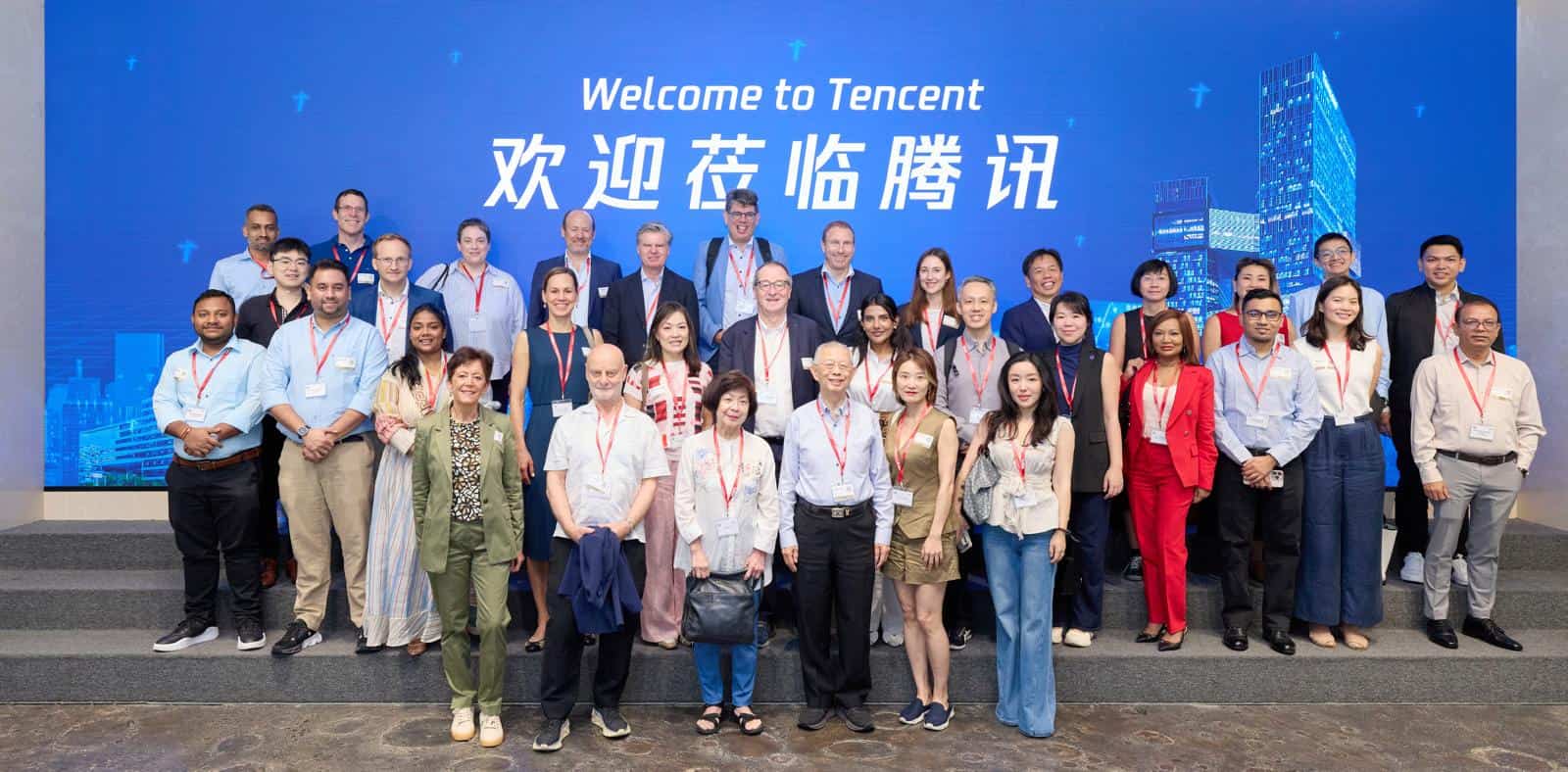
The five-member delegation was led by Farmina Hossain, Director, Operations, who is the principal signatory on BURO Bangladesh’s major institutional partnerships, including its mobile financial services integration with bKash and its agreements with Mutual Trust Bank and Bank Asia. She was joined by Shahinur Islam, Head of ICT Department; Bijoy Bhowmick, Lead, Digital Financial Services; Zahangir Alam, Lead, Network and Security; and Shakhawat Hossain, Lead, Data Analytics. The visit forms part of BURO Bangladesh’s institutional learning agenda for digital transformation in microfinance.
The scale involved gives that agenda its weight. Established in 1990, BURO Bangladesh is the country’s third-largest NGO microfinance institution after Grameen Bank and BRAC, serving more than 3.2 million active customers and over 2.6 million active borrowers, predominantly women, through more than 1,600 branch offices and a workforce of over 12,000. Any technology decision taken at the center reaches that entire foot print.
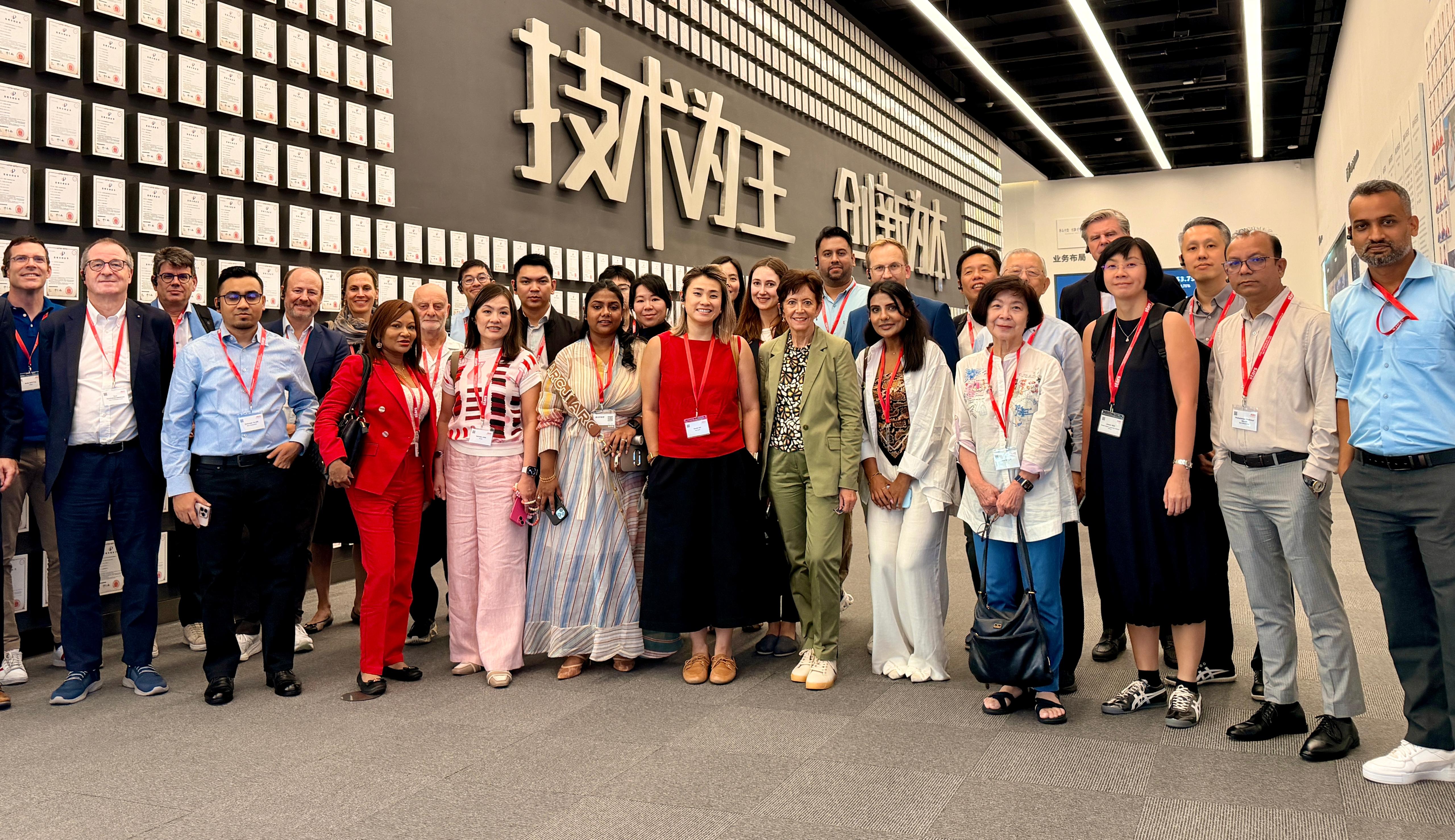
The tour was organized under the stars China Alumni Study Tour 2026, hosted by the Switzerland-based stars Foundation, whose invite-only alumni network spans roughly 1,000 leaders in more than 75 countries. Held from 28 June to 1 July in Shenzhen and Guangzhou, the study tour brought together emerging leaders from different countries and institutions under the theme “From Copycat China to Innovation China.” Its purpose was to observe China’s technology institutions, research centers and innovation-led enterprises at close range, and to assess how those technologies might apply to microfinance operations.
In Shenzhen, the delegation visited Tencent, one of China’s leading internet and technology companies, for a view of the large-scale digital platforms and systems behind high-volume customer service. At BYD, a leading manufacturer of electric vehicles and advanced technologies, they examined how automation, research and centralized data integration translate into institutional speed.
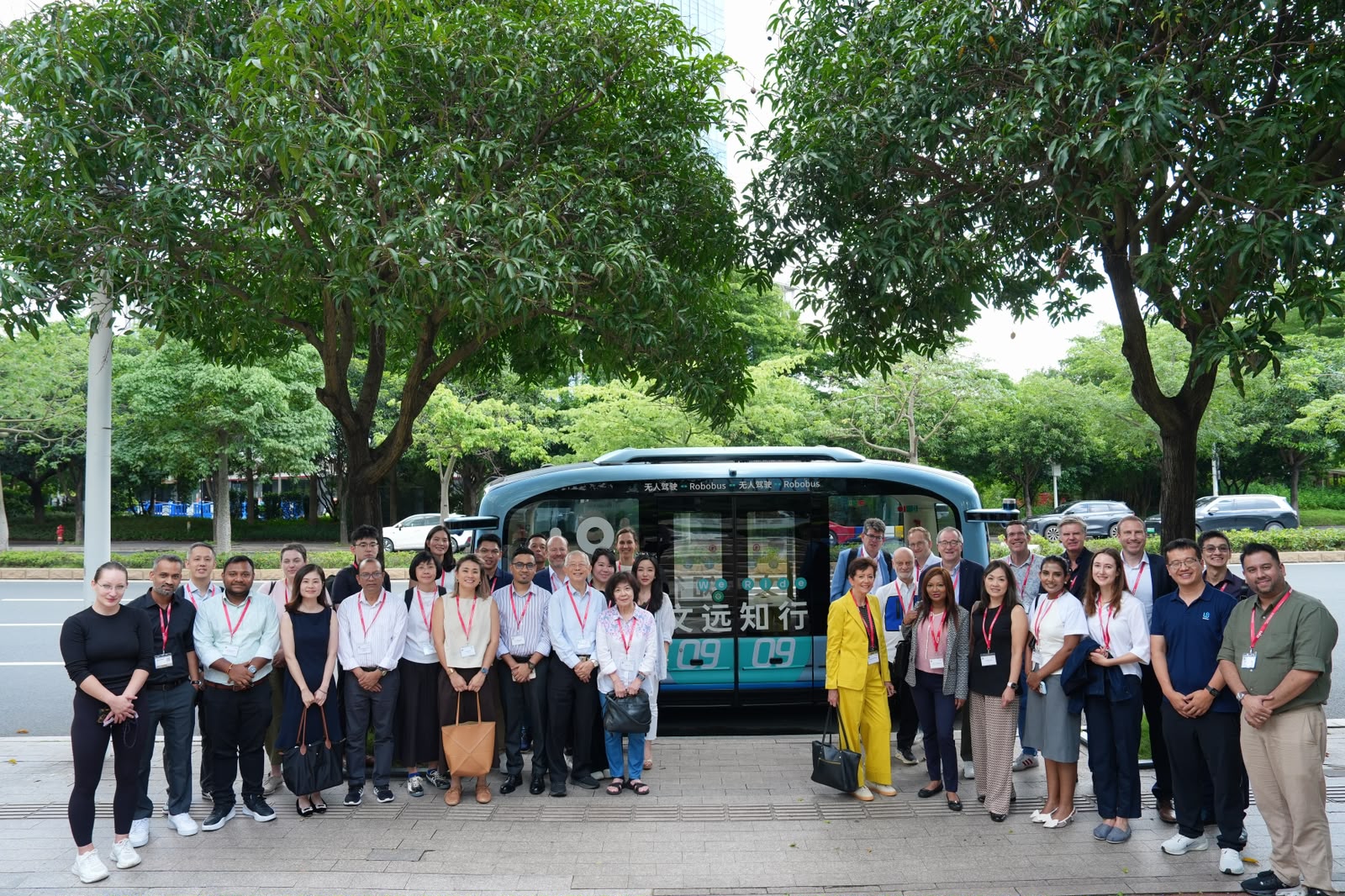
In Guangzhou, the delegation visited WeRride, a technology platform building autonomous vehicle solutions, and EHang, which develops autonomous aerial vehicles. Both visits showed artificial intelligence, real-time data analytics and automation working in production rather than in pilot.
The delegation also visited Southern University of Science and Technology (SUSTech), observing research, innovation and start-up activity by young entrepreneurs. Alongside the technology program, participants made a cultural visit to the M+ Museum in Hong Kong, where the renowned art collector and former Swiss Ambassador to China Uli Sigg guided them through the collection.
BURO Bangladesh expects the learning from this exposure to strengthen its digital workflows, data-driven decision-making, cybersecurity and operational efficiency, and through them to deliver safer, more inclusive and more technology-enabled financial services to low-income and marginalized communities across Bangladesh.


