

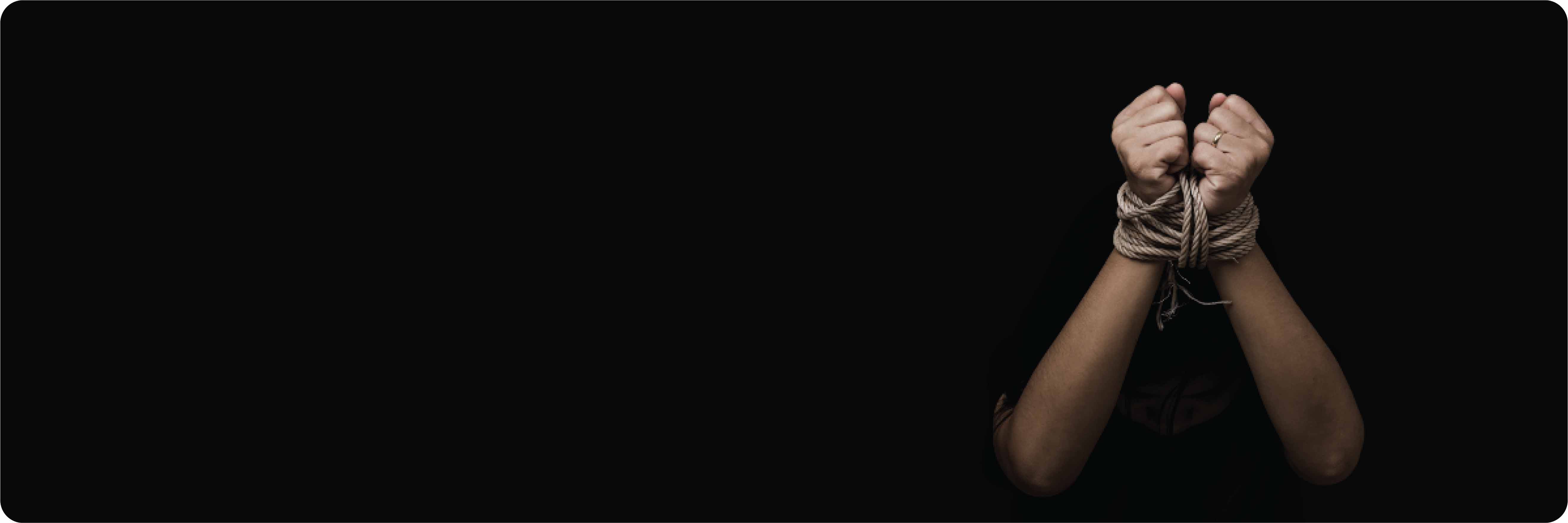
Human trafficking is a serious but often hidden crime in Bangladesh, affecting women, men, and children across both rural and urban communities. Poverty, unsafe migration, lack of information, and gender inequality increase the risk of exploitations especially for women and girls.
Globally, an estimated 50 million people are living in modern slavery, with women and girls making up more than half of those affected. In Bangladesh, government records have identified over 1,200 survivors of trafficking in recent years, many subjected to forced labour, unsafe work, or other forms of exploitation. Yet justice remains slow. Thousands of trafficking cases face long delays, and only a small number result in convictions leaving many survivors without protection or support.
At BURO Bangladesh, we believe that everyone deserves safety, dignity, and justice—whether they are part of BURO or not. We stand for the rights of all individuals and work to raise awareness, strengthen prevention, and support those at risk of exploitation. Everyone has a role to play in keeping communities safe.
Globally, an estimated 50 million people are living in modern oppression, with women and girls accounting for more than half of those affected. In Bangladesh, government data has identified over 1,200 survivors of trafficking in recent years, including children and adolescents subjected to forced labour and other forms of exploitation. Despite these figures, delayed justice and limited convictions continue to leave many young survivors without protection or redress.
In today’s rapidly digitizing world, children and adolescents face new and growing risks. Social media, online gaming, and messaging platforms while offering connection and opportunity are increasingly used by traffickers to groom, deceive, and exploit young people. False job offers, online friendships, and promises of income or migration often target adolescents, particularly girls, who may lack digital safety knowledge or access to trusted guidance.
In Bangladesh, factors such as poverty, gender inequality, unsafe migration, and limited digital literacy heighten these risks. Digital recruitment has made trafficking harder to detect, often beginning online and escalating before families or communities can intervene.
At BURO Bangladesh, we believe that every child and adolescent has the right to safety, dignity, and protection—online and offline. Whether or not they are part of BURO or our programs, we stand for the rights of all young people and work to raise awareness, strengthen digital safety, and prevent exploitation before harm occurs.
This National Human Trafficking Awareness Month, BURO Bangladesh is committed to preventing trafficking and exploitation
through:
Awareness, inclusion, and community action can protect lives and empower vulnerable people across Bangladesh.
Recognizing the signs of human trafficking is the first step toward safety and support. Help is available; reach out, protect yourself or someone you care about, and take the first step toward freedom and justice.